


EXPERT COLUMN
You probably do not think of yourself as someone who could develop an addiction. Most people do not. That assumption, more than any other factor, is what allows addiction to go unrecognized. Every year, adults are treated for depression, anxiety, or cognitive decline when addiction is what is actually driving their symptoms, yet it is often not considered high enough on the diagnostic checklist to pursue. The substances of choice vary, but the outcome does not: dependency and harm. Having spent my career as a board-certified medical toxicologist and addiction medicine physician, I have found that the people who struggle most are often the last to describe themselves as having a problem. That is not a character flaw, but rather a feature of how addiction works.
A Disease, Not a Decision
Addiction is a disease. It is defined not by the substance involved or the person using it, but by a pattern of compulsive use that continues despite real harm. That is a medical definition, not a moral one.
One distinction worth understanding: physical dependence and addiction are not the same thing. Many substances — including opioids, benzodiazepines, alcohol, and even caffeine — create physical dependence, meaning the body adapts and experiences withdrawal when they are stopped. Dependence alone does not constitute addiction. Addiction requires something more: a compulsive pattern that persists even as harm accumulates. Both conditions deserve medical attention. Neither is shameful.
Addiction Cannot Resolve by Sheer Willpower
Addiction changes the brain. The same areas that govern judgment, impulse control, and decision-making are affected, which is precisely what treatment works to address. Waiting for things to get worse before asking for help only allows that damage to deepen. Reaching a so-called rock bottom is not a requirement. Getting help earlier is always better.
The Substances Most Likely to Affect Older Adults You Know
Alcohol is the most used and misused substance among older adults and one of the most underestimated. Due to body changes as we age, reduced muscle mass and declining liver function mean that the same amount of alcohol produces a higher blood concentration at 70 than it did at 30, and the alcohol stays in the system longer. Balance deteriorates with age too, and a fall at 70 carries far more serious consequences than at 30. Drinking patterns that seemed manageable for decades, even without addiction developing, can quietly become dangerous without any change in behavior.
Alcohol also interacts badly with many common medications, including sleep aids, anxiety medications, blood thinners, and pain relievers. Those interactions can increase fall risk, impair memory, and in some combinations, can be life-threatening. More than one in five older adults takes at least one of these medications, a concern for anyone who drinks regularly.
Prescription opioids and benzodiazepines — prescribed for pain, anxiety, and sleep — are among the most commonly misused medications in this age group. Among adults 55 and older, those seeking treatment for opioid use disorder increased by 54 percent in just two years. Most were not seeking illicit drugs. They were patients who were appropriately prescribed these medications and found themselves unable to stop.
The Conversation Worth Having Sooner Than You Think
The warning signs are not always obvious: increasing forgetfulness, unexplained falls, pulling back from social activities, changes in mood or sleep, or a growing reliance on a substance to manage stress, anxiety, or pain. Addiction in older adults can be misdiagnosed as depression or cognitive decline, conditions it can mimic and, over time, cause. If any of those descriptions feel familiar, for yourself or someone you care about, the most useful step is a direct conversation with a physician.
When treated, older adults respond as well as, and in some studies, better than younger adults. The barriers are real: stigma, the belief that it is too late, and reluctance to tell a physician the full truth about what is being used. None are insurmountable. Effective options include a conversation with a primary care physician, medications that ease withdrawal, and outpatient programs.
For family members, the goal is not the dramatic Hollywood-style intervention but something quieter and more effective: an honest, non-judgmental conversation. Note what you have observed. Offer to help them talk to their doctor. The SAMHSA National Helpline, 1-800-662-4357, is free, confidential, and available around the clock.
Addiction is a treatable condition that is also one of the most underrecognized, because people wait too long, explain it away, and ask too rarely for help. My advice is simple: be honest with yourself and your physician and ask for, and accept, help sooner than you think you need to.
In the next column, we will examine one of the most rapidly evolving areas in medicine: artificial intelligence and what it is already doing for patients today.
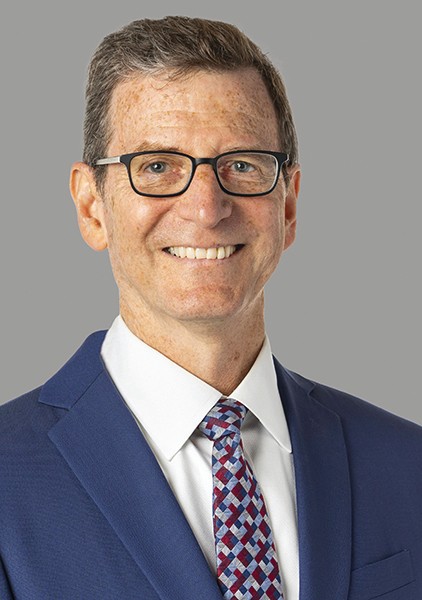
Lewis S. Nelson, MD, MBA, is Dean and Chief of Health Affairs at Florida Atlantic University’s Charles E. Schmidt College of Medicine, the only medical school in Palm Beach County. He is board certified in Emergency Medicine, Medical Toxicology, and Addiction Medicine, and is a co-editor of Goldfrank’s Toxicologic Emergencies, the definitive reference in the field.