NOVEMBER ON THE WATER
There are plenty of great fishing opportunities throughout the month as cool fronts begin to arrive, and water temperatures drop. Fish are transitioning from fall to winter patterns both inshore and in gulf waters. It’s one of those months that it is possible to hook into anything that frequents our waters.
Sea trout should be plentiful and feeding heavily on small bait fish, then as we near the end of the month and the water cools, shrimp and shrimp type artificial lures could become the top baits. As we switch to shrimp, pompano catches will increase as they only eat crustaceans and mollusks. Small bucktail and pompano style jigs work great when slow bounced across a sandy bottom. While under power, if you notice one or several fish skip off your wake, it is most likely pompano. Not sure why they do it, but it’s a great way to locate them and they run in schools. Circle back around and fish the area; you will often be rewarded.
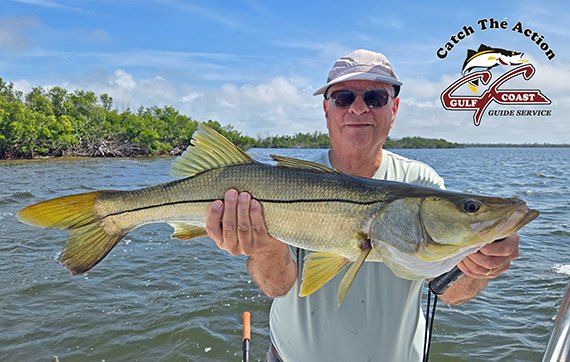
November is a great month for hunting redfish and snook throughout our inshore waters. As temperatures cool, snook are on the move from their summer homes around the beaches and relocating throughout the inshore estuaries. If it remains relatively warm, they may be found feeding over inshore flats, oyster bars, shorelines, and sand holes. If it turns cold quickly, they will seek shelter in protected areas like canals, rivers, and shorelines with deeper water. Snook season is open throughout the month.
The large schools of redfish that prowled the inshore flats over the last few months move offshore or break up with cooler weather. It’s possible to run into a school, but most reds will be in pairs or small bunches. Look for reds tailing over shallow flats on the lowest tides and in the same areas as previously mentioned for Snook.
As the month moves on and the water gets cooler, sheepsheads are on the move. Target them around structure, along the beaches, and around deeper oyster bars. They generally show up over offshore reefs first then make their way inshore, and the gulf passes. Black drum are often caught with sheepsheads around inshore structure. Smaller drum are caught on shrimp, but the large ones prefer a chunk of crab. Blue crab works best, pop the shell off and quarter the crab to get four baits. Like sheepsheads, drum are caught near pilings and fishing baits on bottom works best.
Most of the inshore snapper that we enjoyed all summer have moved offshore. Small ones are still around, but the bigger fish have thinned out. In nearshore gulf waters, dropping light tackle over artificial reefs and hard bottom should yield a mix of tasty fish including mangrove snapper, grunts, and sheepsheads. Drop a live bait down on a heavy rig and stick it in the rod holder for a chance at a big grouper while fishing the light tackle. Also, expect king and Spanish mackerel, plus cobia around reefs. Watch for tripletail hanging just under the surface around anything floating.
Regulations and seasons are constantly changing on various species of fish. Keep up to date with fishing regulations before hitting the water by visiting Florida Fish and Wildlife Commission at http://www.myfwc.com. Also, upload the Fish Rules app to your phone. It has current regulations with pictures to help identify fish.
As the waters of southwest Florida continue to cool this month, there should be plenty of good fishing to keep anglers busy on a variety of species.
For charter information, please contact us at Gulf Coast Guide Service and “Catch the Action” with Capt. Bill Russell, call or text (239) 410-8576, website: http://www.fishpineisland.com, email: [email protected].
Capt. Bill Russell is a native and lifelong resident of Pine Island who has spent his entire life fishing the waters surrounding Pine Island and Southwest Florida. For the past 30 years, Bill has been a professional fishing guide who takes pride in customizing each trip to ensure everyone on board has a great time and will return again. Come join us and “Catch the Action.”